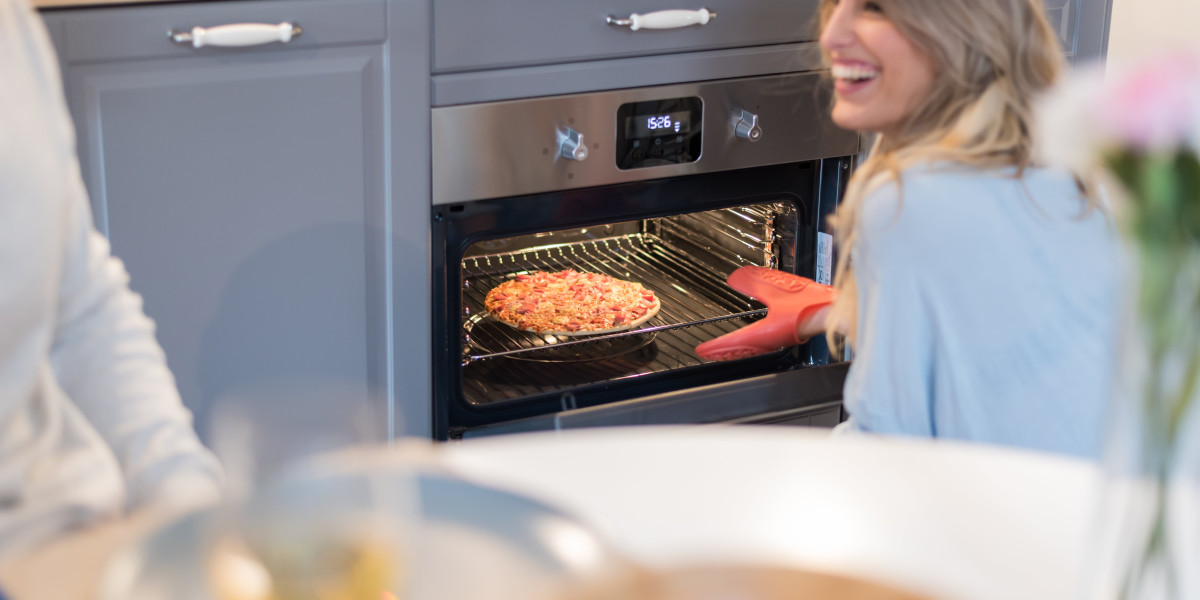

The Rise of Built-In Cookers: A Comprehensive Guide
Over the last few years, built-in cookers have acquired substantial appeal amongst property owners and cooking lovers alike. These appliances seamlessly integrate into kitchen styles, offering a mix of performance and aesthetic appeals. As innovation continues to develop within the kitchen device sector, Hisense Built-in Electric Single Oven - Black cookers have actually changed from mere conveniences into vital tools for contemporary cooking. This short article digs into numerous elements of built-in cookers, including their types, benefits, installation considerations, and upkeep ideas.
What are Built-In Cookers?
Built-in cookers are kitchen appliances intentionally designed to be integrated cookers into cabinets or countertops. Unlike freestanding units that occupy standalone space, built-in cookers enhance the kitchen's total design by providing a seamless look. They are often part of a coordinated set that may consist of ovens, microwaves, and stovetops.
Types of Built-In Cookers
Built-in cookers come in various kinds, each dealing with specific cooking styles and preferences. The following table outlines typical kinds of built-in cookers:
| Type | Description | Benefits |
|---|---|---|
| Built-In Ovens | Wall-mounted or integrated ovens that conserve floor area. | Conserve area; easy gain access to; visual appeal. |
| Built-In Cooktops | Stovetop systems installed directly into the counter top. | Flexible design choices; available in gas, electric, or induction. |
| Microwaves | Built-in microwaves integrate into cabinetry for a streamlined appearance. | Conserves counter top area; modern-day design. |
| Mix Ovens | Ovens that combine standard and microwave cooking functions. | Adaptability; faster cooking times. |
| Steam Ovens | Use steam for cooking, maintaining nutrients and flavors. | Healthier cooking; suitable for vegetables and fish. |
Advantages of Built-In Cookers
Buying built-in cookers uses various advantages that appeal to both functionality and design. Below are some of the crucial advantages:
1. Space Efficiency
Built-in cookers make the most of offered space, making them perfect for smaller kitchen areas. They use a streamlined appearance without jeopardizing cooking capabilities.
2. Style Integration
These appliances mix seamlessly into kitchen cabinetry, boosting the overall visual. Homeowners have various design alternatives, allowing them to produce a cohesive kitchen appearance.
3. Improved Accessibility
Built-in ovens positioned at eye level remove the requirement to bend down to check food, making cooking a more accessible experience for everybody, consisting of those with movement obstacles.
4. Versatile Cooking Options
With various designs and performances, built-in cookers make it possible for varied cooking techniques. Home cooks can pick appliances that best suit their cooking preferences.
5. Increased Home Value
Trendy built-in cookers can boost the home's overall worth, especially in competitive genuine estate markets. Buyers frequently choose fully equipped cooking areas.
Installation Considerations
While built-in cookers provide many benefits, their installation needs careful preparation. Here are vital elements to think about:
- Space Measurement: Before buying any built-in cooker, it's crucial to determine the designated area properly. Appliances need to fit perfectly within existing kitchen cabinetry, leaving sufficient ventilation area.
- Electricity and Gas Supply: For Cookology FOD60SS 60cm Built-In Electric Oven electrical cookers, make sure that sufficient electric integrated oven electrical wiring is available. Gas cookers need appropriate gas line installation.
- Expert Installation: Due to their intricacy, built-in cookers often need expert setup. Hiring a specialist makes sure security and correct operation.
- Upkeep Access: Consider how the cooker will be accessed for cleansing and maintenance. Availability ought to stay a concern throughout setup.
- Compatibility with Other Appliances: Ensure that new built-in cookers are compatible with existing kitchen appliances for a cohesive design.
Upkeep Tips for Built-In Cookers
Keeping built-in cookers in leading condition improves their performance and longevity. Here are some maintenance pointers:
- Routine Cleaning: Regularly clean the oven and cooktop surface areas to avoid buildup of grease and gunk. Make use of non-abrasive cleaners suitable for the device product.
- Inspect Connections: Regularly examine gas lines and electrical connections for safety. Right away resolve any signs of wear or damage.
- Replace Filters: Many built-in ovens and microwaves include filters that need replacement. Follow the producer's standards for changing these components.
- Calibration: Over time, built-in ovens may need recalibration to make sure precise temperature level settings. Speak with the user handbook for standards on how to recalibrate.
- Specialist Service: Schedule professional maintenance checks occasionally to ensure that all components operate efficiently.
Built-in cookers represent a substantial advancement in kitchen design and functionality. Their seamless integration into cabinetry not just enhances the aesthetic appeal of a kitchen but likewise improves effectiveness and usability. By comprehending the different kinds of built-in cookers, their benefits, and factors to consider for installation and maintenance, homeowners can make informed choices that elevate their cooking experience.
Often Asked Questions (FAQs)
1. Are built-in cookers more pricey than freestanding models?
While built-in built oven cookers may have a higher preliminary cost, they frequently supply improved installation visual appeals and greater functionality, making them a beneficial financial investment for numerous property owners.
2. Can I set up a built-in cooker myself?
Though some property owners choose to install built-in cookers themselves, it is often a good idea to work with an expert due to the intricacies involved, especially with gas lines and intergrated electric oven circuitry.
3. How do I pick the ideal built-in cooker for my kitchen?
Consider your cooking practices, kitchen design, and area restrictions when selecting built-in cookers. It's also essential to examine the source of power and preferred functionalities.
4. What is the life expectancy of a built-in cooker?
With correct maintenance, built-in cookers, especially ovens, can last lots of years-- frequently ranging from 10 to 20 years, depending upon the brand name and use.

5. Are built-in cookers energy-efficient?
Lots of contemporary built-in cookers include energy-efficient technologies, such as convection cooking and smart functions, which can help reduce energy intake.
Built-in cookers offer a sophisticated service to modern-day cooking requires while boosting the kitchen's general esthetic. As cooking patterns continue to develop, these appliances will likely remain an integral part of kitchen styles for years to come.



