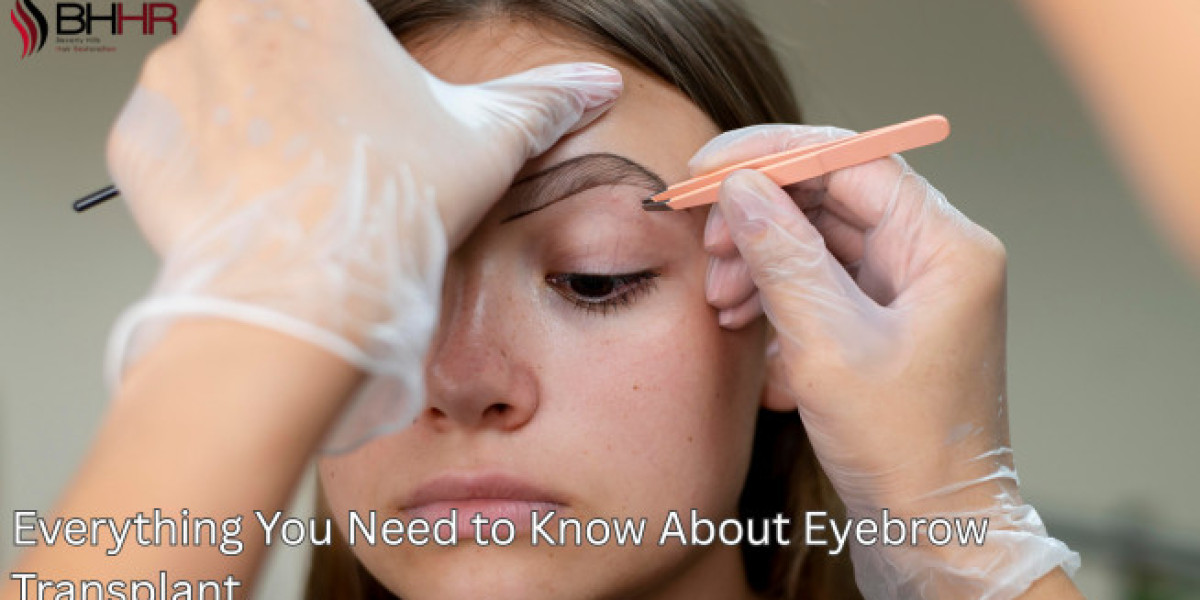

Eyebrows may seem like a small facial feature, but they play an essential role in how we look and express ourselves. They frame the eyes, define facial balance, and even influence the way emotions are perceived. Unfortunately, not everyone has naturally full brows. Overplucking, genetics, medical conditions, scarring, or the natural ageing process can leave eyebrows looking thin or patchy. While makeup products, brow pencils, and treatments like microblading can provide temporary fixes, they require regular upkeep and often lack the natural look of real hair. For people searching for a permanent and natural-looking solution, eyebrow transplant surgery has become a popular option. This procedure is designed to restore fuller brows by using your own hair follicles, offering long-term results that look and feel completely natural.
What is an Eyebrow Transplant?
An eyebrow transplant is a surgical method that involves harvesting healthy hair follicles—most often from the scalp—and implanting them into the brow area. The hairs are carefully positioned at specific angles to mimic the natural direction of eyebrow growth. Unlike cosmetic tattooing or microblading, which only create the appearance of fullness, transplanted follicles actually grow into new eyebrow hairs. This means the results are not only natural but also permanent, requiring only occasional grooming just like the rest of your hair.
Who is the Right Candidate?
Not everyone may need a surgical procedure, but an eyebrow transplant is an excellent choice for:
People with naturally sparse or thin eyebrows.
Individuals who have lost brow hair from trauma, burns, or scarring.
Those experiencing hair thinning due to conditions like alopecia.
Anyone tired of relying on temporary solutions like makeup or microblading?
A consultation with a qualified surgeon is important to assess your suitability. They will evaluate donor hair quality, medical history, and expectations before recommending the procedure.
How the Procedure Works
An eyebrow transplant is usually done under local anaesthesia, which means the patient stays awake but feels no pain. The process typically includes the following steps:
Designing the Brows – Before the surgery, the surgeon operates with the patient to create the desired shape, thickness, and arch. This step ensures that the results match facial proportions and personal preferences.
Harvesting Donor Hair – Hair follicles are taken from an area of the scalp, often the back of the head, where growth is naturally thick. The Follicular Unit Extraction (FUE) method is commonly used because it is minimally invasive and leaves almost no visible scarring.
Preparing the Grafts – Once extracted, the follicles are cleaned and prepared for placement.
Transplanting into the Eyebrows – Tiny incisions are made in the brow area, and the follicles are implanted one by one at precise angles. This careful placement ensures that the hairs grow in the correct direction and blend seamlessly.
The entire process usually takes three to four hours, depending on the number of grafts needed.
Recovery and Healing
After the procedure, some swelling or redness may appear around the brows, but this usually subsides within a few days. Small scabs may form and fall off naturally within a week.
Patients are advised to:
Avoid rubbing or scratching the area.
Refrain from strenuous activity for a few days.
Follow the aftercare education given by the surgeon.
It’s normal for the transplanted hairs to shed within the first month—this is part of the natural growth cycle. New hairs typically begin to grow around three to four months after the procedure, with full results visible within 8–12 months.
What Results Can You Expect?
The biggest advantage of eyebrow transplant surgery is how natural the outcome looks. Since the transplanted follicles are your own, the new brows grow and behave just like natural eyebrow hair. Patients can trim, shape, and style them according to preference. The transformation is gradual, but by the end of the first year, the brows usually appear denser, fuller, and better defined. Most importantly, they enhance facial harmony in a way that temporary treatments simply cannot achieve.
How Much Does an Eyebrow Transplant Cost?
The price of the procedure depends on several factors, including the number of grafts required, the surgeon’s experience, and the clinic’s location. On average, costs range from a few thousand dollars. While this might seem like a significant investment, many people find it worthwhile when compared to years of spending on temporary treatments such as microblading, tinting, or brow products.
Benefits of Eyebrow Transplant
Permanent Results – Unlike makeup or tattooing, transplanted hair lasts for life.
Natural Appearance – The brows grow with real texture and density.
Customizable Design – Patients can choose the thickness and shape that best suits their face.
Boost in Confidence – Fuller eyebrows often improve self-esteem and overall appearance.
Low Maintenance – Beyond trimming and occasional grooming, little upkeep is required.
Risks and Things to Consider
Like any medical procedure, eyebrow transplant comes with some considerations. Temporary side effects lude redness, swelling, or uneven growth in the early months. In rare cases, not all grafts may survive, and a touch-up session might be needed. The most important factor in minimising risks is choosing a highly experienced surgeon. Proper technique ensures that the hair grows in the right direction and achieves a natural look.
Alternatives to Surgery
For those who prefer non-surgical options, alternatives include:
Microblading – Semi-permanent tattooing that mimics brow hairs but fades over time.
Brow Tattooing – Provides a filled-in look but lacks natural texture.
Makeup Products – Quick and affordable, but require daily effort.
While these can be effective short-term solutions, none match the permanence or realism of an eyebrow transplant.
Conclusion
Eyebrow transplant has emerged as one of the most effective ways to restore natural, fuller brows. It offers long-lasting results, boosts confidence, and eliminates the need for constant makeup or temporary treatments. From understanding the procedure to the recovery timeline and benefits, being informed helps set realistic expectations. For anyone struggling with thin or sparse brows, consulting with an experienced specialist is the best step toward achieving a natural transformation that enhances both beauty and confidence.