


Among the organized chaos of medical professionals in Birmingham, a young man named James Stokes carries himself with the measured poise of someone who has found his place. His smart shoes move with deliberate precision as he exchanges pleasantries with colleagues—some by name, others with the familiar currency of a "how are you."
James carries his identification not merely as institutional identification but as a declaration of inclusion. It rests against a well-maintained uniform that offers no clue of the tumultuous journey that led him to this place.
What sets apart James from many of his colleagues is not immediately apparent. His bearing reveals nothing of the fact that he was among the first recruits of the NHS Universal Family Programme—an effort created purposefully for young people who have experienced life in local authority care.
"I found genuine support within the NHS structure," James explains, his voice measured but carrying undertones of feeling. His observation summarizes the essence of a programme that strives to reinvent how the vast healthcare system approaches care leavers—those vulnerable young people aged 16-25 who have emerged from the care system.
The statistics reveal a challenging reality. Care leavers frequently encounter poorer mental health outcomes, economic uncertainty, shelter insecurities, and lower academic success compared to their peers. Behind these impersonal figures are individual journeys of young people who have maneuvered through a system that, despite best intentions, frequently fails in delivering the supportive foundation that shapes most young lives.
The NHS Universal Family Programme, established in January 2023 following NHS England's commitment to the Care Leaver Covenant, represents a profound shift in institutional thinking. Fundamentally, it accepts that the complete state and civil society should function as a "universal family" for those who haven't known the constancy of a conventional home.
A select group of healthcare regions across England have blazed the trail, developing systems that reconceptualize how the NHS—one of Europe's largest employers—can extend opportunities to care leavers.
The Programme is thorough in its approach, starting from comprehensive audits of existing practices, establishing management frameworks, and obtaining leadership support. It acknowledges that meaningful participation requires more than noble aims—it demands practical measures.
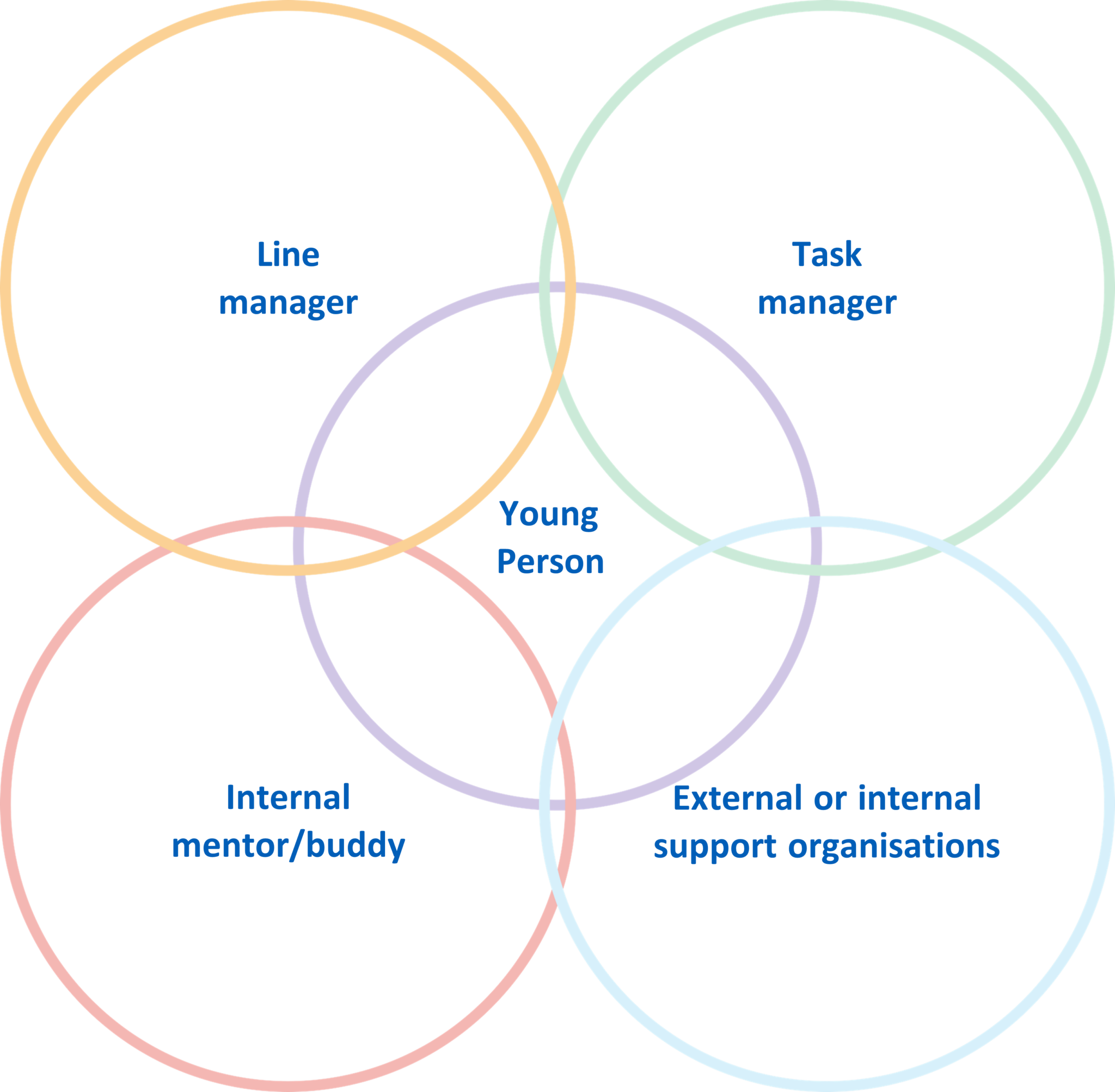
In NHS Birmingham and Solihull ICB, where James began his journey, they've developed a regular internal communication network with representatives who can provide help and direction on mental health, HR matters, recruitment, and inclusivity efforts.
The standard NHS recruitment process—formal and often daunting—has been intentionally adjusted. Job advertisements now emphasize character attributes rather than extensive qualifications. Application procedures have been reimagined to address the particular difficulties care leavers might face—from lacking professional references to struggling with internet access.
Perhaps most significantly, the Programme acknowledges that beginning employment can pose particular problems for care leavers who may be managing independent living without the support of parental assistance. Matters like transportation costs, proper ID, and banking arrangements—assumed basic by many—can become substantial hurdles.
The elegance of the Programme lies in its attention to detail—from outlining compensation information to providing transportation assistance until that critical first payday. Even ostensibly trivial elements like coffee breaks and office etiquette are deliberately addressed.
For James, whose career trajectory has "changed" his life, the Programme delivered more than employment. It provided him a feeling of connection—that intangible quality that emerges when someone senses worth not despite their past but because their unique life experiences improves the organization.
"Working for the NHS isn't just about doctors and nurses," James comments, his gaze showing the subtle satisfaction of someone who has secured his position. "It's about a collective of different jobs and roles, a team of people who genuinely care."
The NHS Universal Family Programme embodies more than an employment initiative. It functions as a strong assertion that systems can change to include those who have navigated different paths. In doing so, they not only alter individual futures but enhance their operations through the special insights that care leavers provide.
As James moves through the hospital, his participation subtly proves that with the right support, care leavers can succeed in environments once deemed unattainable. The arm that the NHS has offered through this Programme represents not charity but recognition of untapped potential and the profound truth that everyone deserves a family that champions their success.